
The Role of Sustainable Practices in Ghana's Commercial Construction Industry


In recent years, the commercial construction industry in Ghana has experienced a significant transformation. This shift is largely driven by the increasing adoption of sustainable practices, which aim to reduce environmental impact and promote economic efficiency. As the country continues to develop, the integration of sustainability into construction projects is becoming more critical.

Understanding Sustainable Practices in Construction
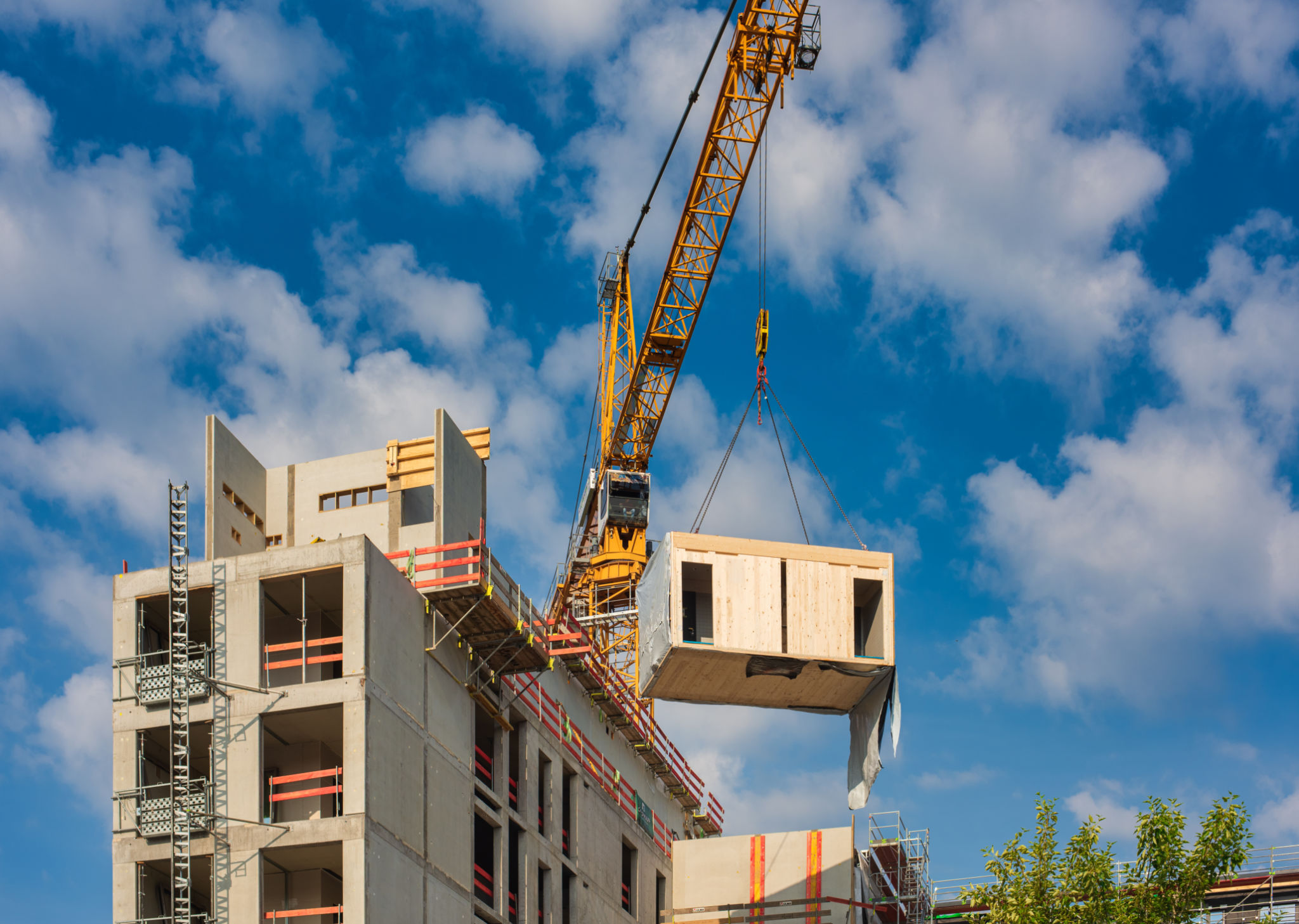
Sustainable construction practices involve using resources more efficiently and minimizing waste, pollution, and environmental degradation. This includes the selection of sustainable materials, efficient energy use, and the implementation of waste management systems. By adopting these practices, the industry can contribute to the global effort of combating climate change.
Some of the key sustainable materials used in construction include recycled steel, bamboo, and rammed earth. These materials not only reduce the carbon footprint but also promote the use of local resources, boosting the local economy.
Energy Efficiency and Renewable Resources
Energy efficiency is a cornerstone of sustainable construction. By incorporating energy-efficient systems, buildings can significantly reduce their energy consumption. This includes the use of solar panels, LED lighting, and energy-efficient HVAC systems. Additionally, integrating renewable energy sources such as wind and solar can further enhance a building's sustainability.
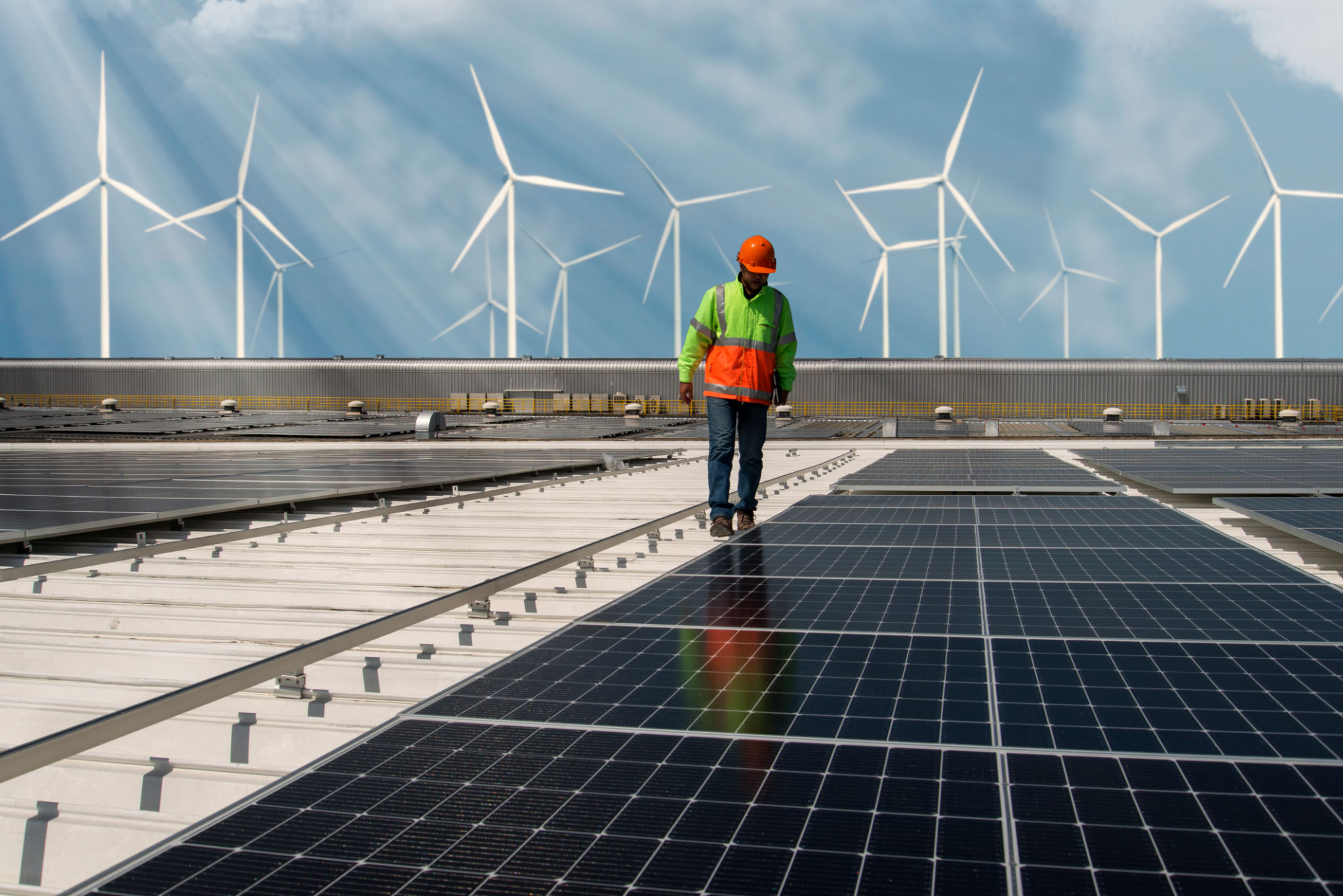
In Ghana, the use of solar energy is particularly promising due to the country's abundant sunlight. Many commercial buildings are now being designed with solar panels to harness this renewable resource, reducing reliance on traditional energy sources.
Water Conservation and Management
Water conservation is another critical aspect of sustainable construction. Implementing systems to recycle and reuse water can dramatically reduce water waste. Techniques such as rainwater harvesting and greywater recycling are becoming more prevalent in Ghana's commercial construction projects.
By focusing on water management, the construction industry can help address the country's water scarcity issues while also reducing operational costs for building owners.

The Economic Benefits of Sustainability
Adopting sustainable practices is not only beneficial for the environment but also for the economy. Sustainable buildings often have lower operating costs due to reduced energy and water consumption. Additionally, they can attract tenants willing to pay a premium for environmentally friendly spaces.
Moreover, sustainability in construction can create new job opportunities in sectors such as renewable energy and waste management, contributing to the overall economic growth of Ghana.
Challenges and Future Outlook
Despite the benefits, there are challenges to the widespread adoption of sustainable practices in Ghana's construction industry. These include the initial costs of implementing sustainable technologies and a lack of awareness among stakeholders.
However, with increased government support and public awareness, these challenges can be overcome. As more projects demonstrate the long-term benefits of sustainability, it is expected that sustainable practices will become the norm rather than the exception in Ghana's commercial construction industry.
In conclusion, the role of sustainable practices in Ghana's commercial construction industry is pivotal for the country's future. By embracing these practices, Ghana can lead the way in sustainable development in West Africa, setting a positive example for other nations to follow.